Initiative · Organizations

Your AI capability is ready. Your organization isn't.
This is the pattern every major technology wave produces. Capability arrives first. The human systems around it lag, sometimes by years. Organizations buy the tools, announce the transformation, and then watch adoption stall — not because the technology failed, but because nobody redesigned the roles, the teams, or the way decisions actually get made.
The bottleneck is almost never the model. It is the org chart.
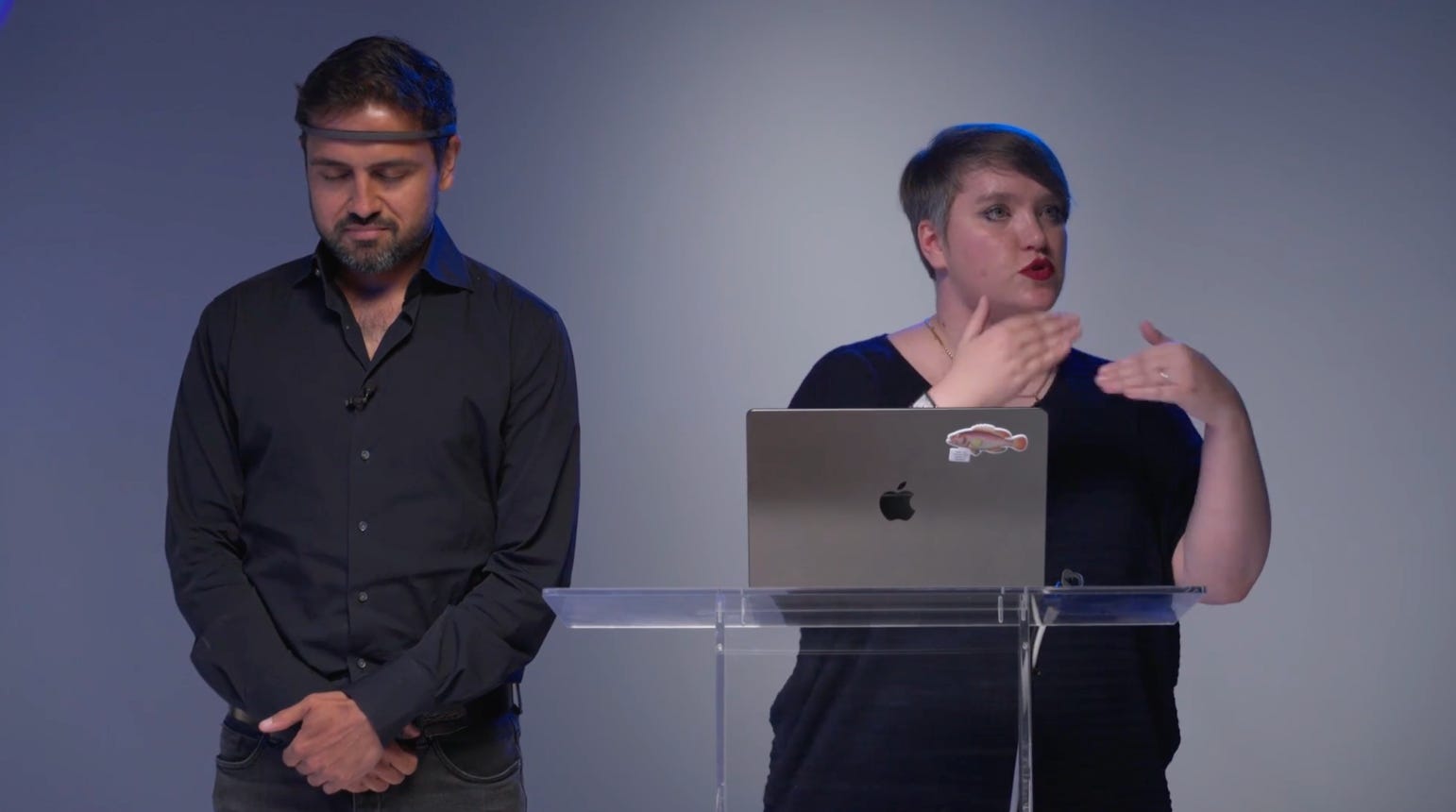
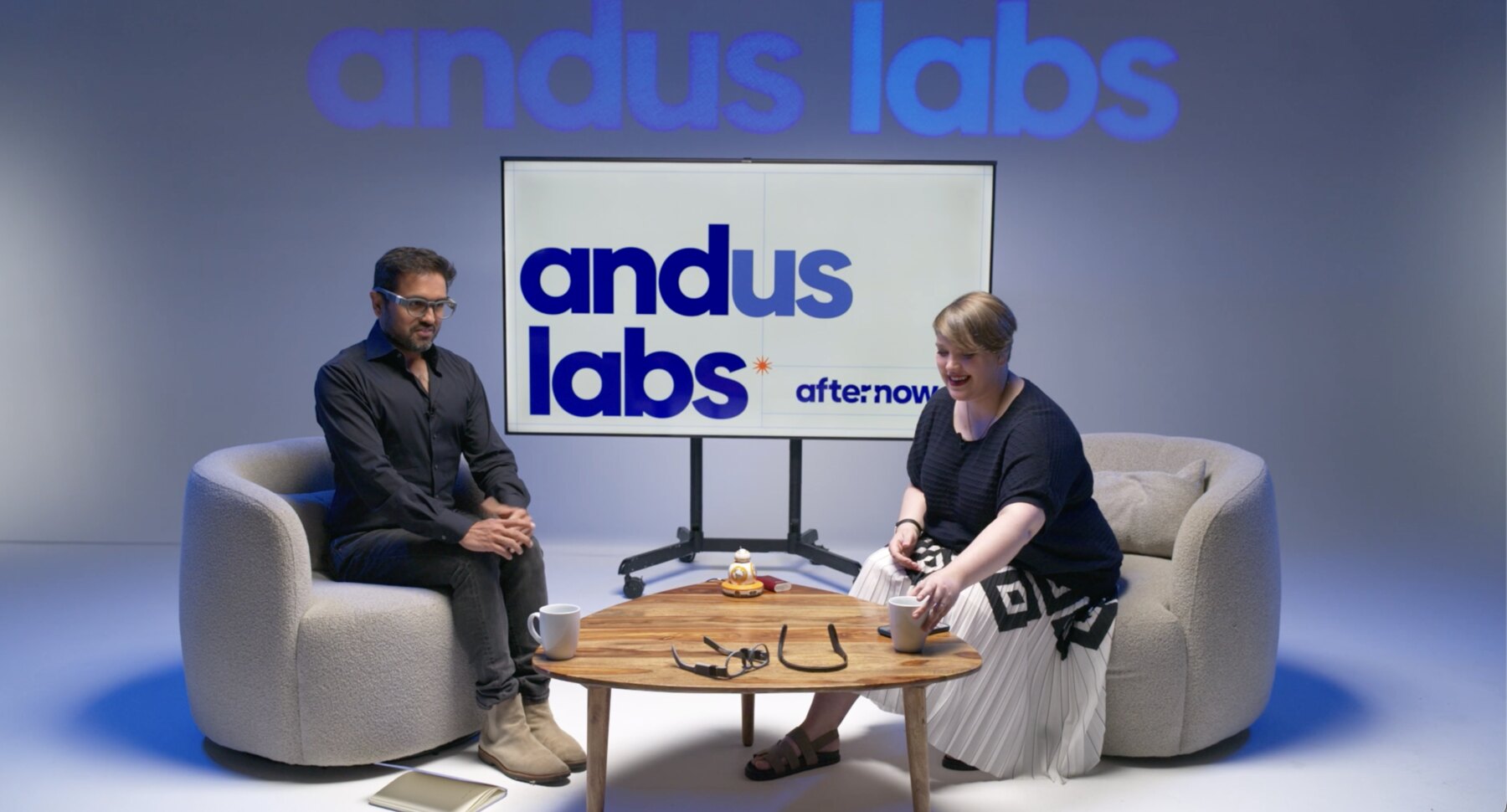
Andus Labs is a product studio and consultancy that helps organizations redesign roles, teams, and decision-making for a world with AI agents on the team. We work from strategy through implementation: diagnosing where adoption stalls, then building the systems, playbooks, and behavioral infrastructure that make the capability deliver something.
As Co-Founder I work on the design question inside the enterprise one — how do people and machines meet well? It is the same question I have been asking for a decade, asked now at the scale of an organization trying to be world-class.
Where adoption actually stalls
01
Roles nobody rewrote
The job description assumes a human does the whole task. When an agent does part of it, the role becomes incoherent and the person defaults to the old version.
02
Decisions with no owner
An agent produces a recommendation and the question of who is accountable for acting on it was never settled. So nobody acts.
03
Trust without calibration
Teams either over-trust the output or refuse it entirely. Both are failures of the same missing thing: a shared sense of when the tool is reliable.
04
No forum for what's changing
The work is being reinvented weekly and there is no standing occasion at which anyone compares notes. Learning stays private and dies with the quarter.
What we build
The operating layer between the people and the agents.
Every organization already has an operating system for human work — how a task is assigned, how quality is judged, how a decision travels, what a meeting is for. That system was designed, explicitly or by accident, for humans only.
Andus builds the layer that orchestrates work across people and agents together: who does what, who checks it, where judgement stays human, and what new habits and forums the arrangement requires. Drawing on decades leading digital transformation and years building and running AI labs, we do this with organizations rather than to them.
How we work
Diagnose
Find the specific point where the work stops rather than the general complaint that it has. Usually a role, a handoff, or an unowned decision.
Redesign
Rewrite the roles, teams, and decision rights around the way the work now actually flows across people and agents.
Build
Products, playbooks, and behavioral infrastructure — the concrete artifacts that make a new arrangement survive contact with a Tuesday.
Embed
Stay long enough that the new way of working belongs to the organization rather than to the consultants who arrived with it.
Relationship to the wider investigation
The thread running through all of this work is that connection is a designed condition, not a mood. Put people in a well-made room and they do better than anyone predicted; put them in a badly made one and no amount of goodwill rescues it.
An organization is a room, built out of roles and meetings and decision rights instead of walls. AI is currently rearranging the furniture faster than anyone is drawing plans. Andus Labs is where that design problem gets treated as a design problem.
It is the organizational-scale response, sitting alongside New Social Forms at the scale of groups and Portfolio at the scale of societies.
- Visit
- anduslabs.com →
Services, writing, and current work - Work with us
- Get in touch →
For organizations redesigning around AI
AfterNow
A day of thought leadership on moving forward with human agency.
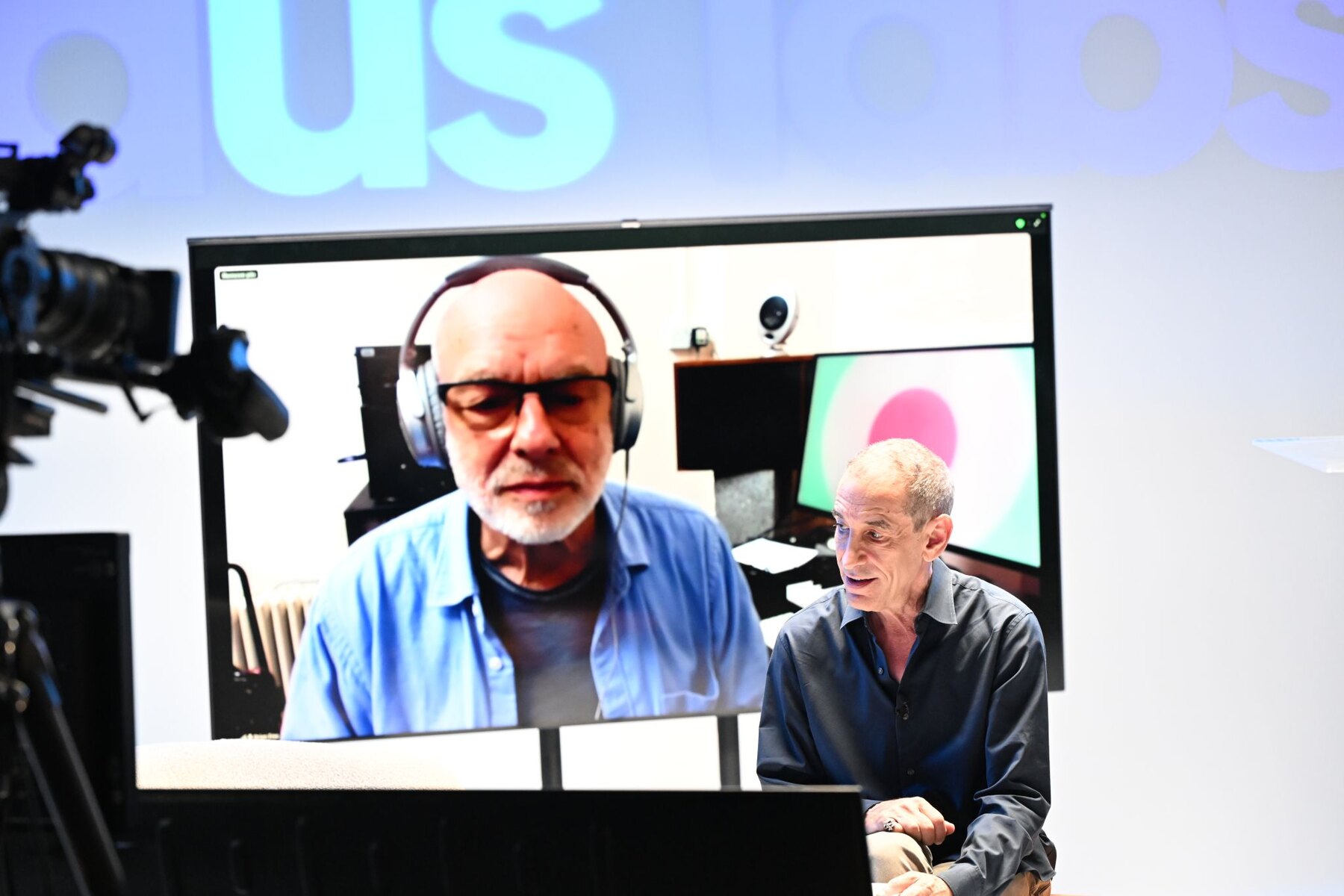
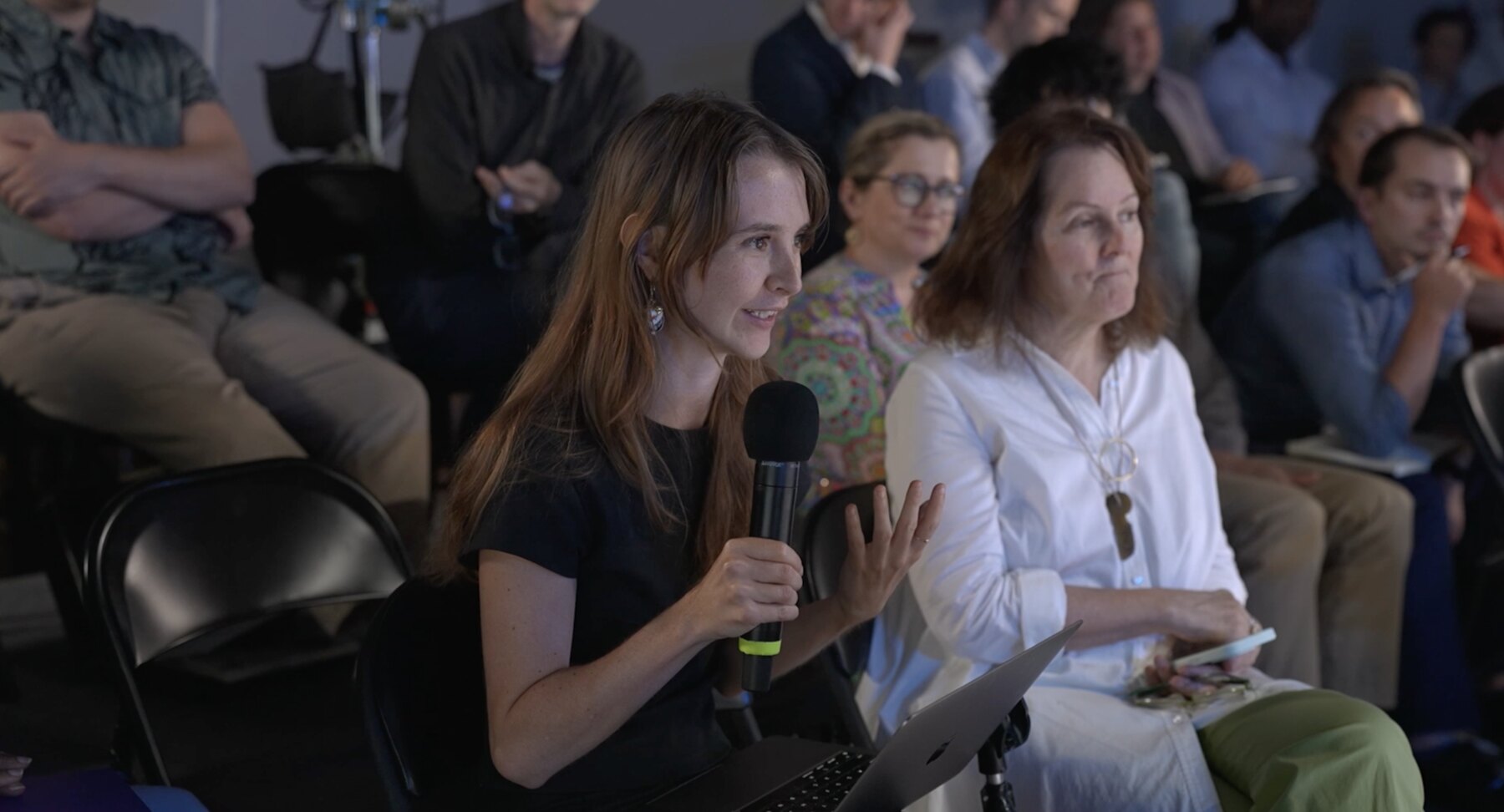
No matter the activity, Andus asks the same question: what does it mean to put humans at the center of innovation, even as artificial intelligence expands its capabilities on an exponential growth curve? AfterNow was a day built around it. Ten filmed conversations came out of it.
Brian Eno
Musician & producer
Esther Dyson
Investor, Wellville
Nicholas Thompson
CEO, The Atlantic
Marina Gorbis
Institute for the Future
Albert Wenger
Union Square Ventures
Nataliya Kos’myna
MIT Media Lab
Douglas Rushkoff
Scholar in Residence, Andus
Julia Dixon
Founder, ESAI
Threads from the day · The architect and the gardener · Should AI be a public utility? · Your brain on ChatGPT · Don’t let AI trend to the average · Why has the vision of the future been so dark?
Andus Labs
Work with Andus Labs.
Residencies for leaders, embedded learning labs, and corporate advisory — for organizations redesigning how they work alongside AI.