Initiative · Groups

(Re)Designing the Social Architectures of Human Connection
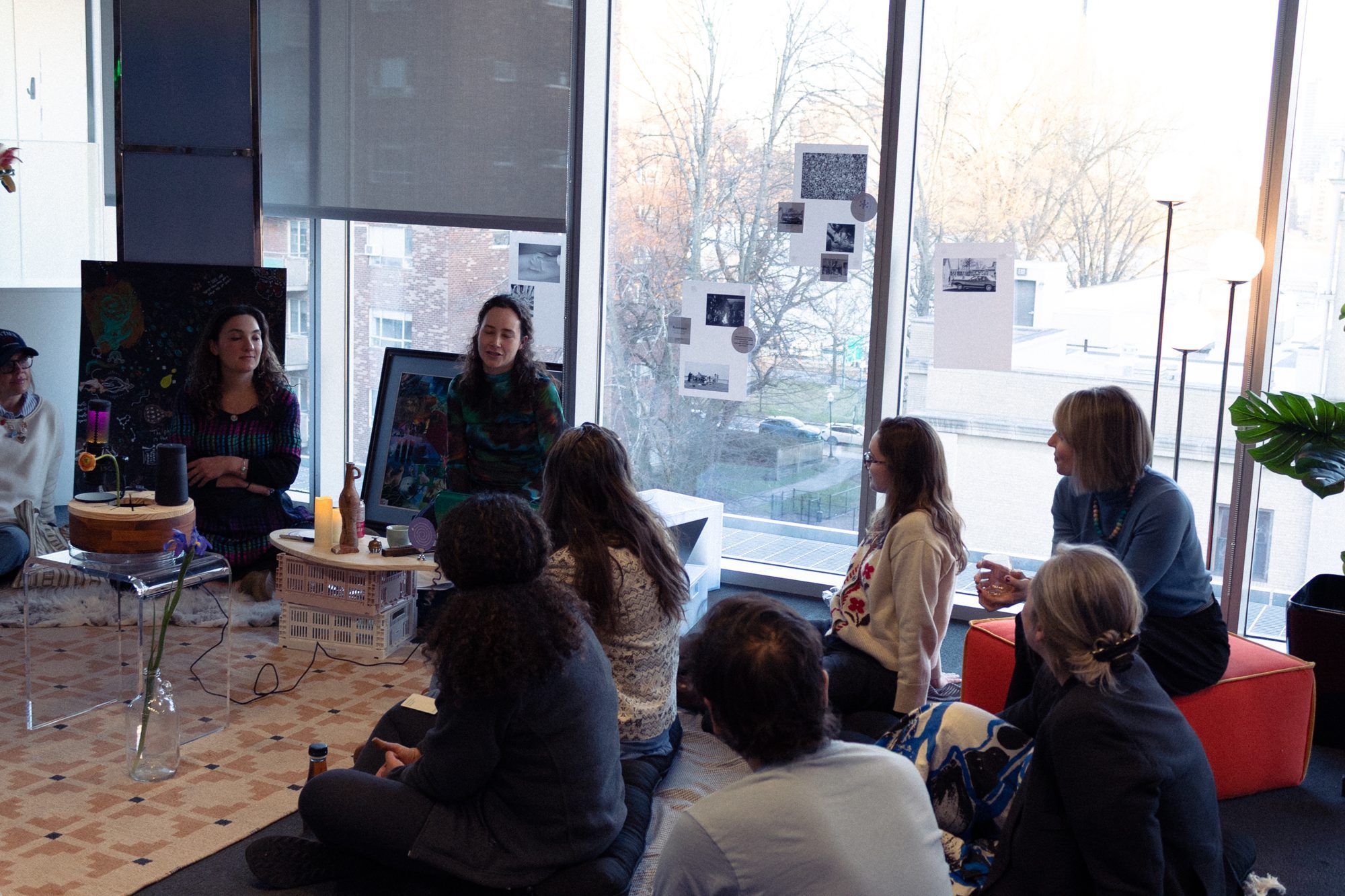
A social form is the shape a gathering takes — who speaks, in what order, for how long, facing whom. The town meeting is a social form. So is the seminar, the standup, the potluck, the congregation, the twelve-step circle. They determine what a group of people is capable of together, and almost all of them were borrowed, adapted, or defaulted into rather than designed.
See Toby Shorin's excellent essay, Theory of Social Forms. His writings and conversations with him helped crystalize the concept for me.
We inherited our institutions. We do not have to inherit their formats.
New Social Forms is a translational research initiative at the MIT Center for Constructive Communication. It brings practitioners together with researchers, designers, artists, and technologists to explore and prototype new forms of gathering, deliberation, creativity, and collective action — then test them with real groups and publish what holds.
Translational is the operative word. Practitioners who convene people for a living have working knowledge that never reaches the literature; researchers produce findings that never reach a room. The initiative exists to move knowledge in both directions and to build the things that neither side would build alone.
Year one · Four workstreams
01
Gatherings
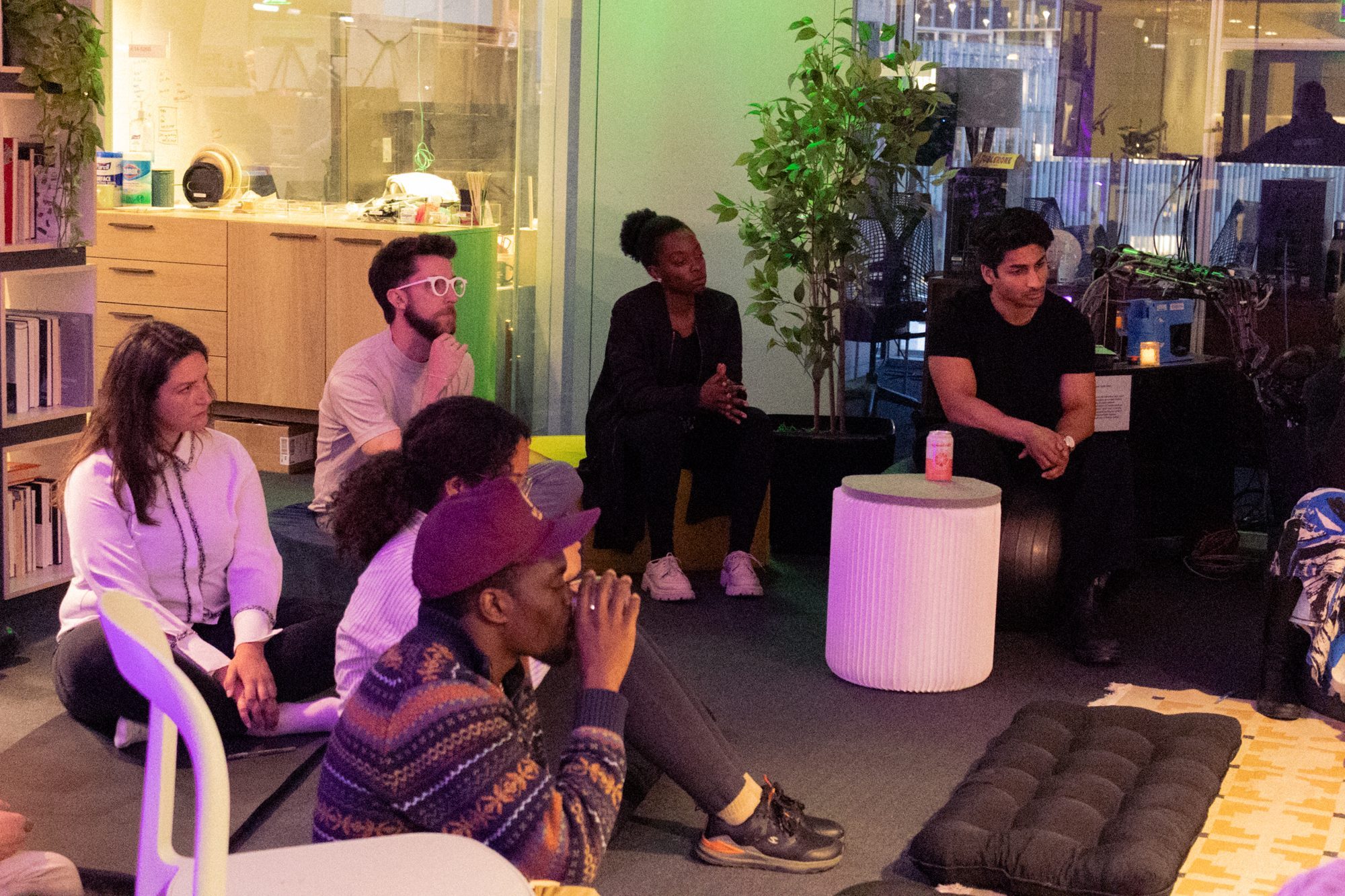
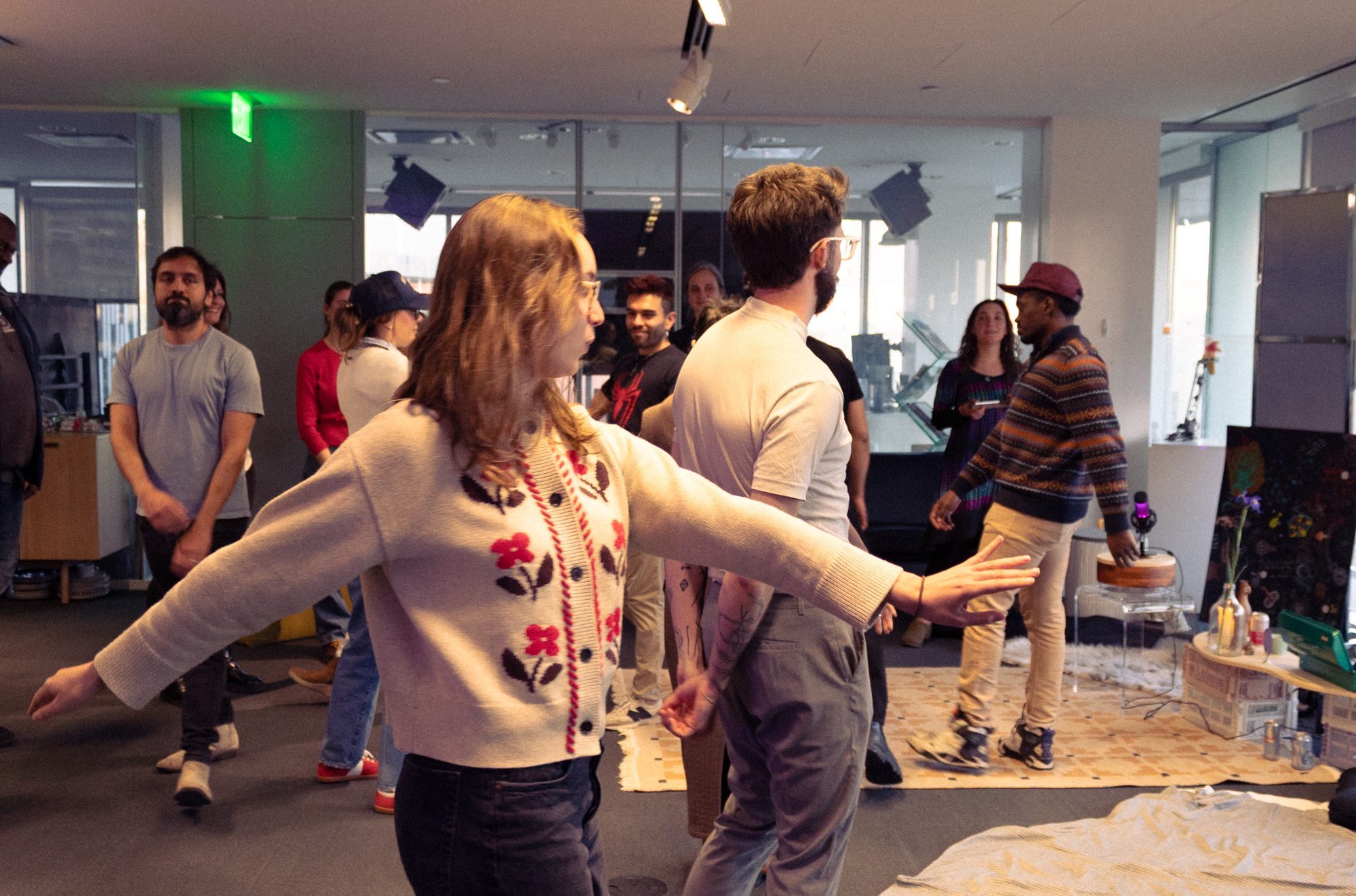
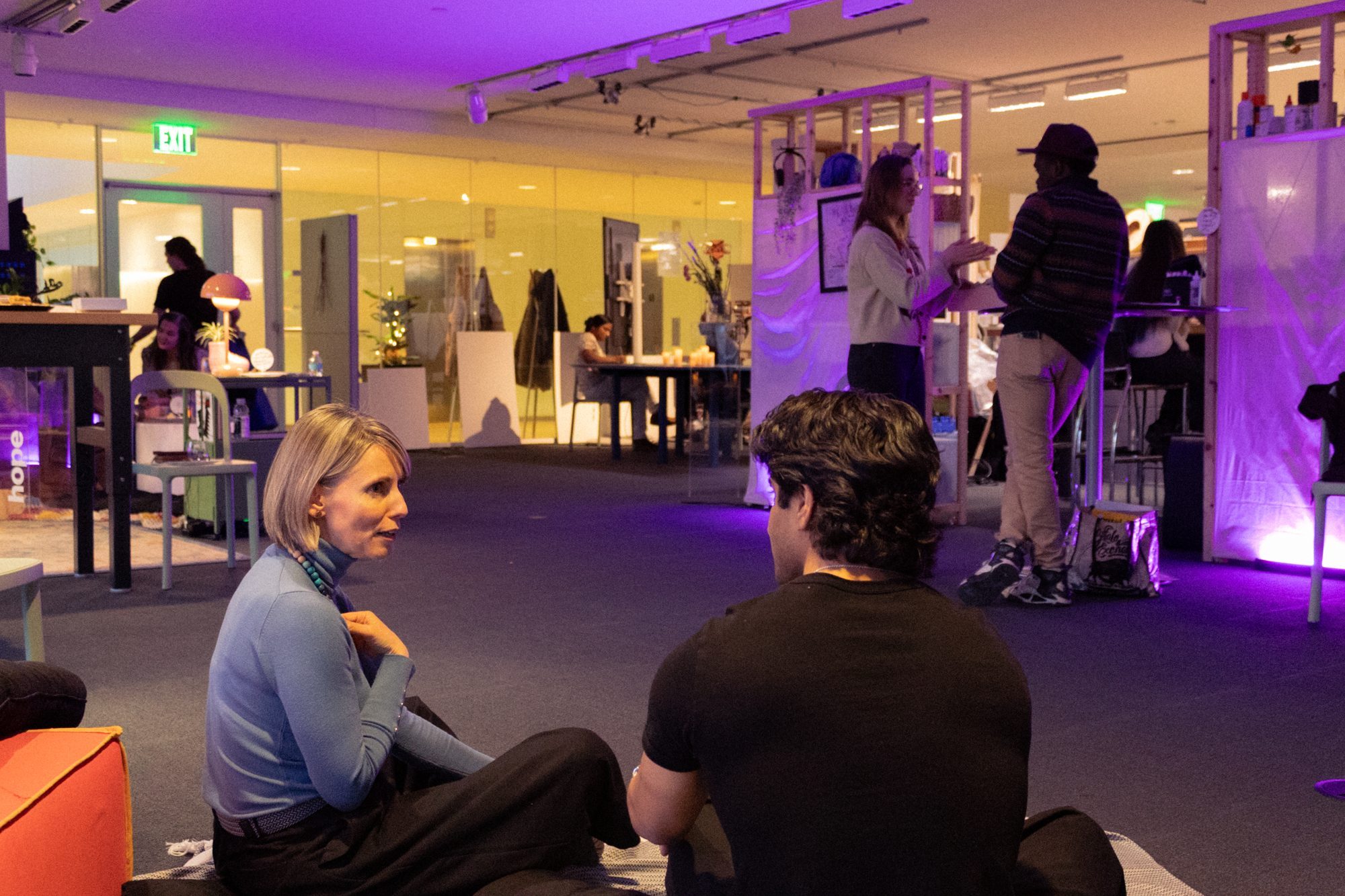
Salons, field trips, and research retreats that bring practitioners and researchers into the same room — and double as live tests of the forms themselves.
02
Community Knowledge Hub
A living, AI-assisted and human-reviewed architecture that connects practitioner knowledge which currently sits in nobody's library.
03
Field pilots and prototyping
New forms built and run with real teams in real conditions, where the failure modes actually show up.
04
Research
A taxonomy of team forms, workplace diagnostics, and evaluation frameworks — so that "this worked" becomes a claim someone can check.
The team you inherited
Year one begins with teams.
AI is changing what teams need from one another. As technical execution becomes commoditized, the relationships, conversations, and collective sensemaking that hold a team together stop being the overhead around the work and become the work itself.
At the same time, remote and hybrid work dissolved the spatial and social forms teams had relied on — the corridor, the shared lunch, the desk you could turn around from — without putting anything deliberate in their place. Most organizations are running on the residue of a form nobody chose.
So the team is where we start: the most consequential social form of ordinary working life, and the one currently changing fastest.
Relationship to the wider investigation
Shared Studios asked what happens when you design one room extremely carefully and put two strangers in it. The answer, roughly a million times over, was that people are better than their information environments — given the right conditions, they reach for each other.
New Social Forms is that finding taken up a level. Not one room built by one studio, but the design practice itself: a body of tested forms, and a community of people who build them, so that the next convener does not have to start from a folding chair and a hope.
It is the group-scale response, sitting alongside Andus Labs at the scale of organizations and Portfolio at the scale of societies.
An initiative of · Made possible by

- Visit
- newsocialforms.org →
The initiative's own site, with the current salon program - Host
- MIT Center for Constructive Communication →
At the MIT Media Lab
New Social Forms
Join the New Social Forms Initiative.
A translational research initiative at the MIT Center for Constructive Communication. The site carries the research, the salon series, and how to take part.