Shared Studios · The Portals Policing Project
The largest collection of first-hand accounts of policing in America.
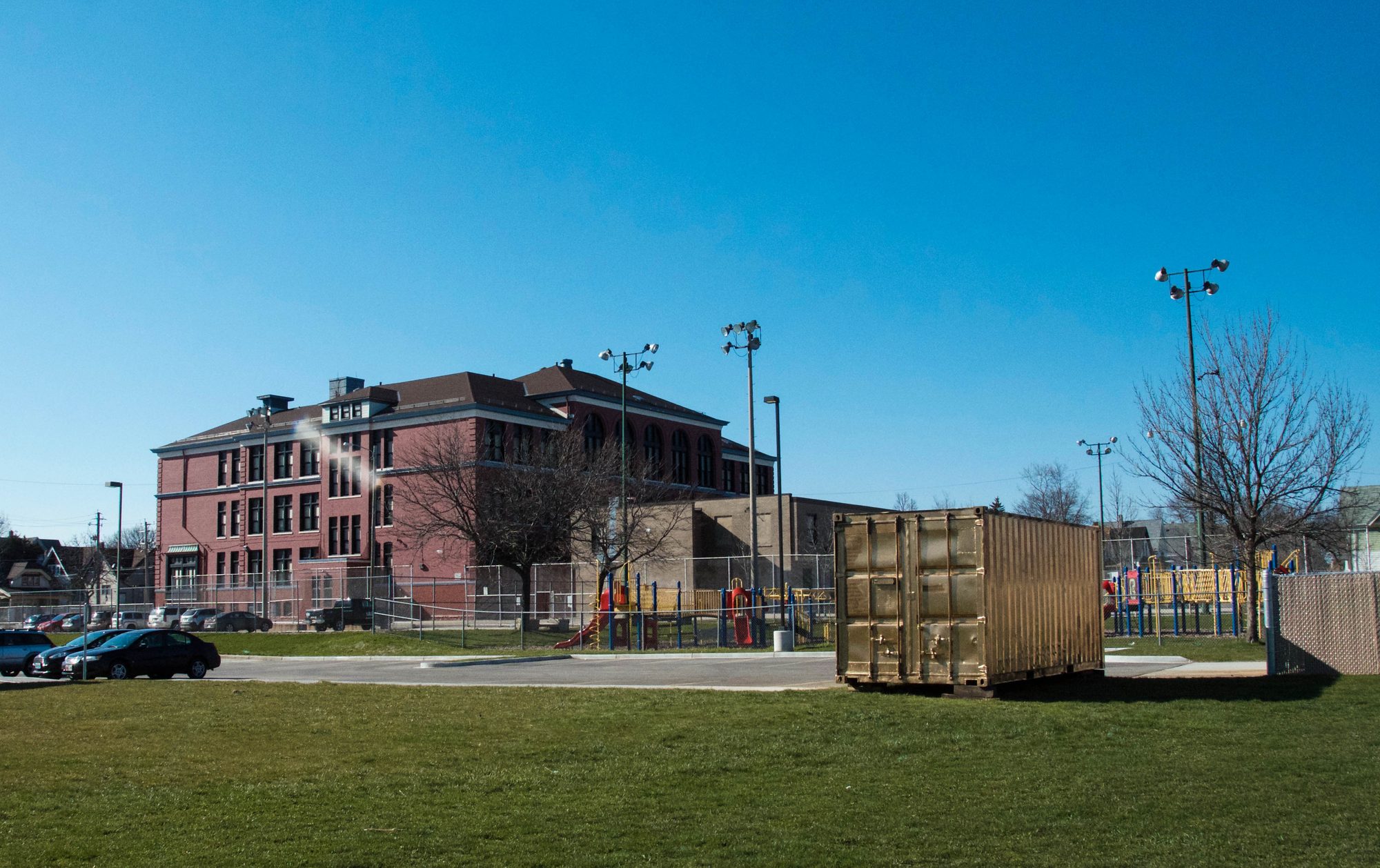
Most research on policing asks residents to talk to researchers. That framing shapes the answer: you get testimony addressed to an institution, filtered for what an institution might do with it.
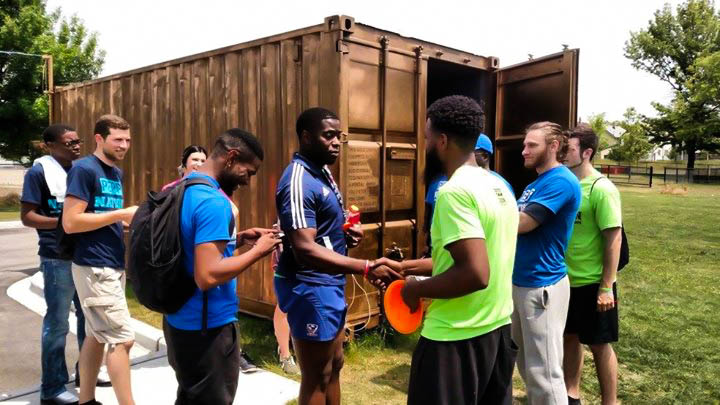
With Tracey Meares at Yale Law School and Vesla Weaver at Johns Hopkins, we tried the opposite. We put the Portals in over-policed neighbourhoods and let residents talk to each other — across cities, often to strangers living the same conditions eight hundred miles away. No researcher in the room. The conversation was the method.
What it produced
Tracey Meares and Vesla Weaver have described the Portals as functioning simultaneously as a medium for listening, a site of democratic deliberation, and a form of civic infrastructure — a public good rather than an instrument.
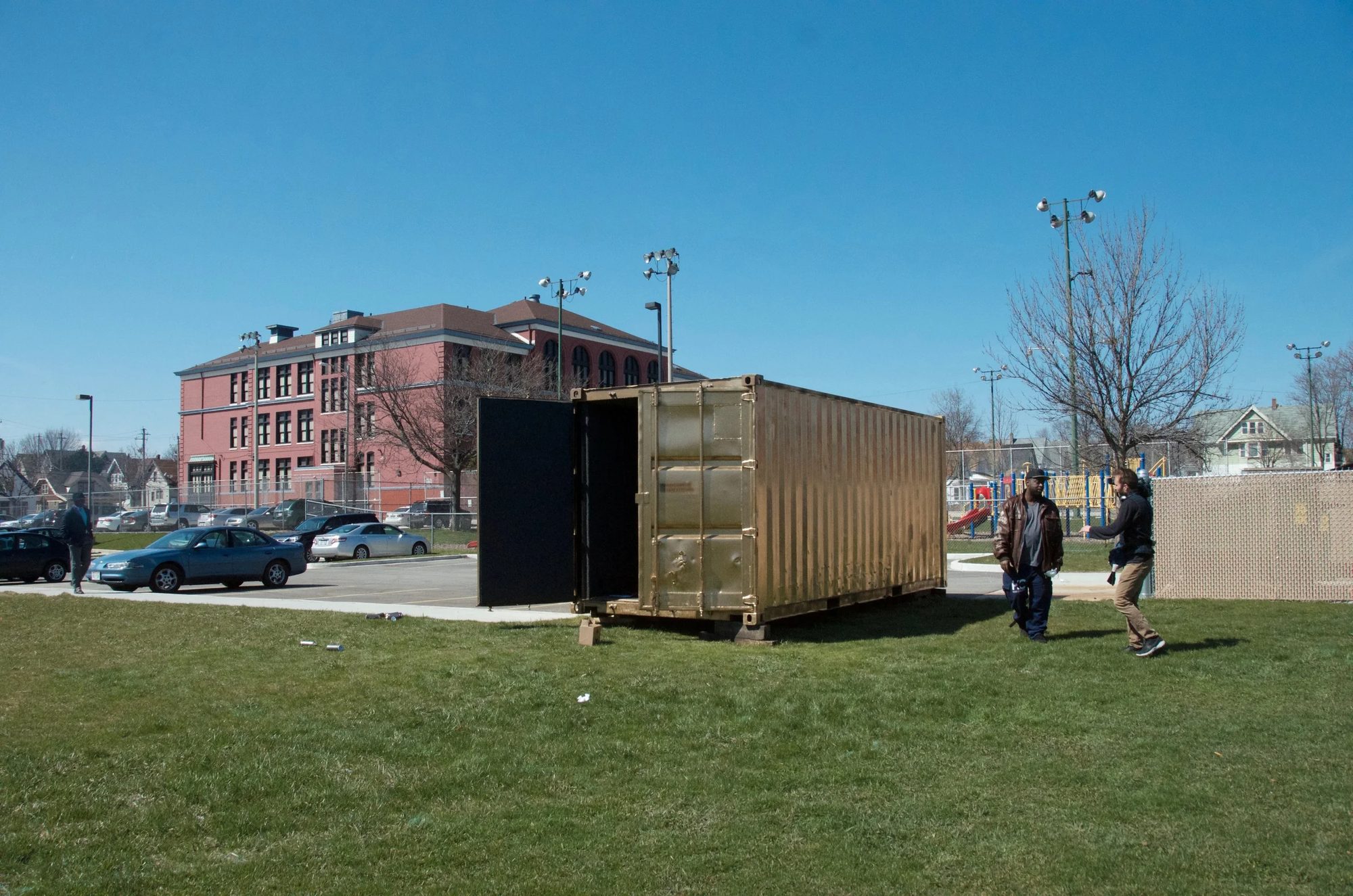
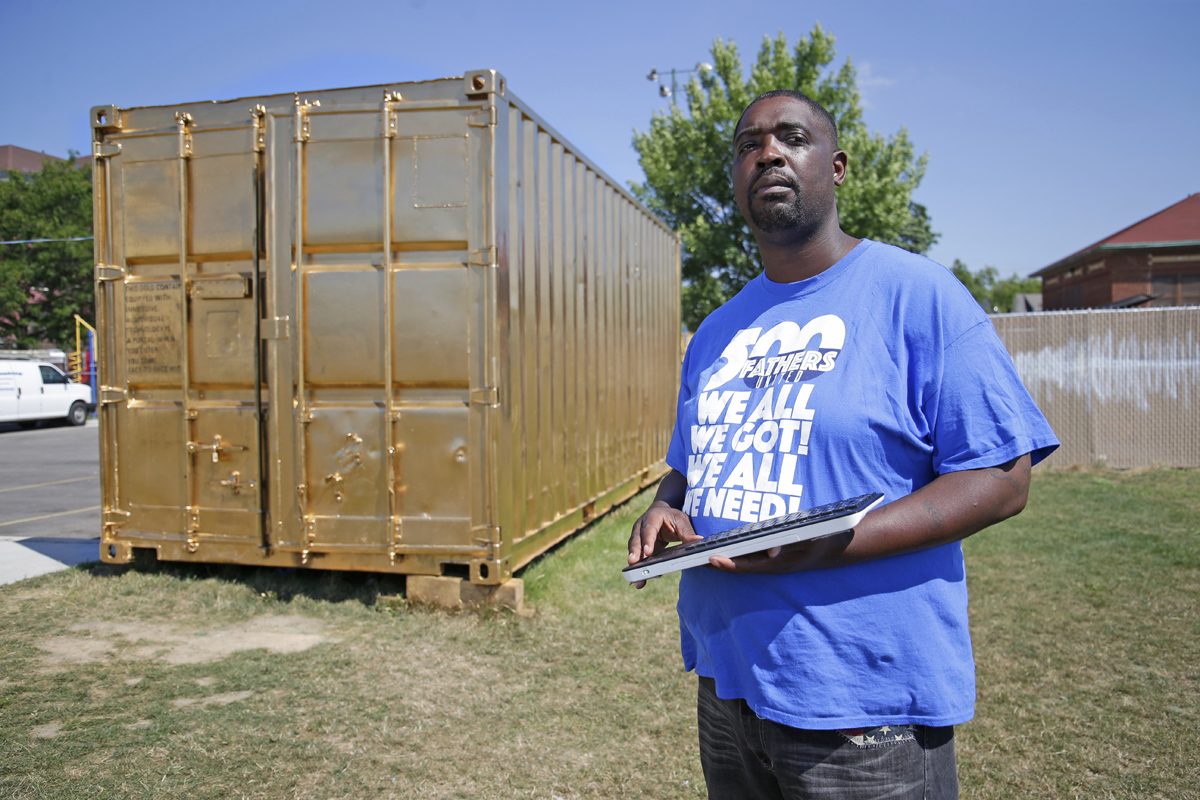
In Milwaukee the Portal did not leave when the study ended. It stayed, and the neighbourhood ran it.
We been utilizing the Portal in so many ways and it's been helping control the violence that goes on in these neighborhoods. It's been doing a world of a difference.
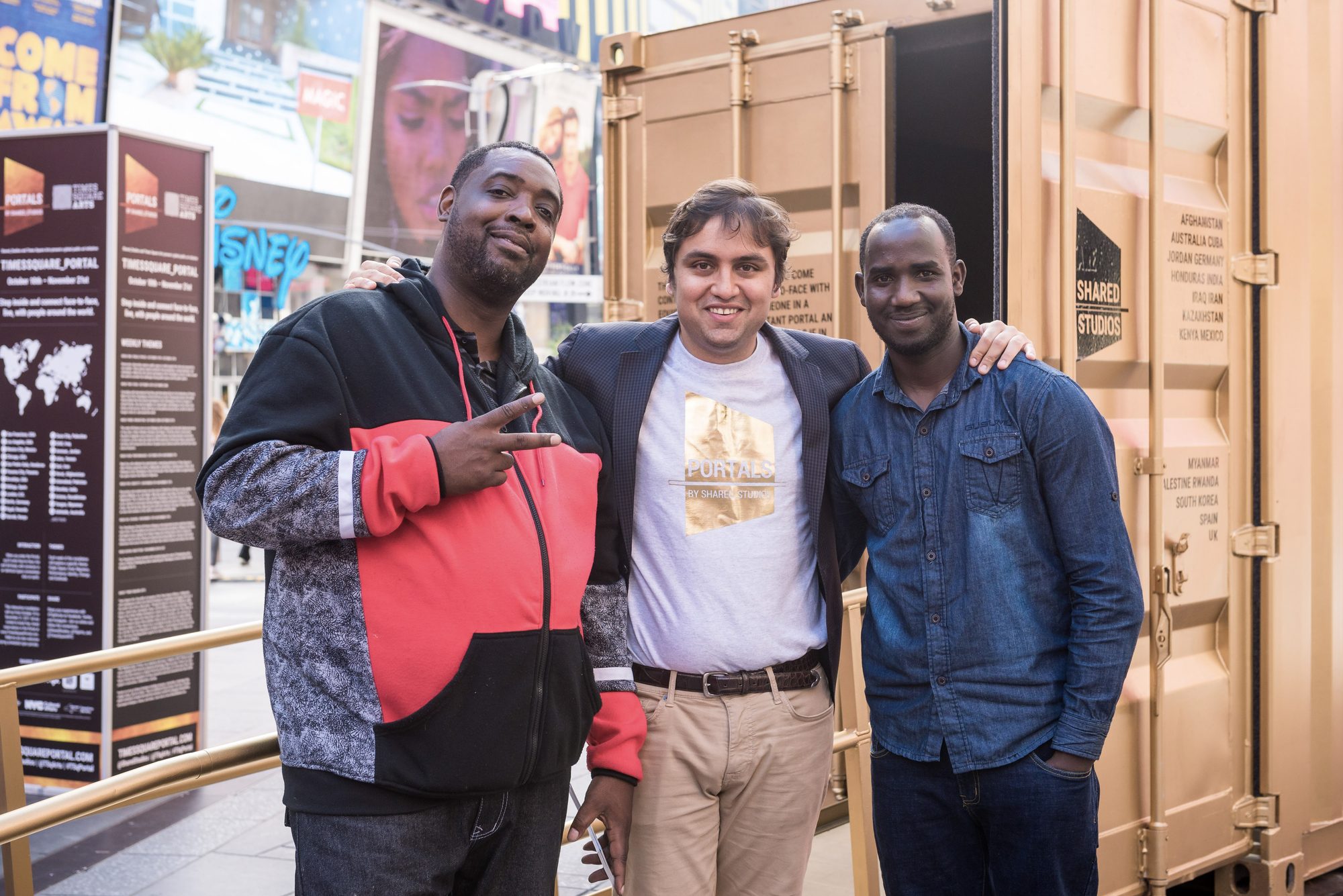
Lewis Lee · Milwaukee Portal Curator
Lewis made his own work about what the Portal became once it belonged to the block — a rap video about Portals, and a piece on Portals in incarcerated places.
Read the research
Principal investigators: Tracey Meares, Yale Law School · Vesla Weaver, Johns Hopkins University
-
Portals to Politics: Perspectives on Policing from the Grassroots
-
The State from Below: Distorted Responsiveness in Policed Communities
-
Too Much Knowledge, Too Little Power
-
Withdrawing or Drawing In? Political Discourse in Policed Communities
-
Portals: How Connectivity Can Build Community Among America's Dispossessed